

The Florida Keys are one of the most popular road trip destinations in the United States, but did you know that they’re also home to the most remote national park in the lower 48? Located 70 miles off Key West, Dry Tortugas National Park offers a unique mix of Civil War history, abundant wildlife, and tropical natural beauty.
But despite the Keys’ popularity and the park’s stunning landscape, it remains one of the least visited national parks in the United States. If you want to experience this incredible place for yourself, here’s everything you need to know about visiting Dry Tortugas National Park, Florida’s best-kept secret.

This post may contain affiliate links. If you make a purchase through them, we may receive a small commission, for which we are extremely grateful, at no extra cost to you.
What is Dry Tortugas National Park?
Dry Tortugas National Park covers 100 square miles of the southernmost tip of the Florida Keys. While there are actually seven islands in Dry Tortugas’ footprint, the vast majority of the park is actually just beautiful turquoise water, with a vibrant coral reef and wildlife, including tons of marine life and unique birds that are found nowhere else in the continental United States.

The largest island—and the only one that most visitors actually get to see—is called Garden Key, which covers about 14 acres. The island has swaying palm trees, white sandy beaches, and, most interestingly, the imposing Fort Jefferson, an enormous fort that’s actually the largest brick structure on the entire Western Hemisphere!
Fort Jefferson was originally built in 1846 to provide coastal defense to the Gulf of Mexico, but, in actuality, was mainly used as a prison during and after the Civil War. The prison primarily housed Union deserters and other criminals, including some of the co-conspirators of Abraham Lincoln’s assassinator, John Wilkes Booth, before being abandoned in 1874.
How to get to Dry Tortugas National Park
Given the park’s remote location, visiting Dry Tortugas isn’t exactly straightforward. We actually wrote a whole guide about how to get to Dry Tortugas National Park, but here’s everything you need to know in a nutshell.
Getting to Key West, Florida
First, you’ll need to get to Key West, Florida. While the city is a popular tourist destination, it’s actually quite isolated—it’s technically closer to Havana, Cuba than the mainland United States.
Still, you have a few options of getting there.
By air
The city is home to Key West Intentional Airport. with direct flights from over a dozen U.S. cities.

Depending on how long you’re staying and where your hotel is located, you may not even need to get a rental car to explore Key West. The majority of the most popular things to do in Key West are located in the walkable Old Town and the sites that aren’t, like Smathers or Clarence S. Higgins Memorial Beach, are just a short Uber ride away.
By car
Alternatively, you can generally get much cheaper flights to the airports in either Miami or Fort Lauderdale, which is approximately four hours northeast of Key West.
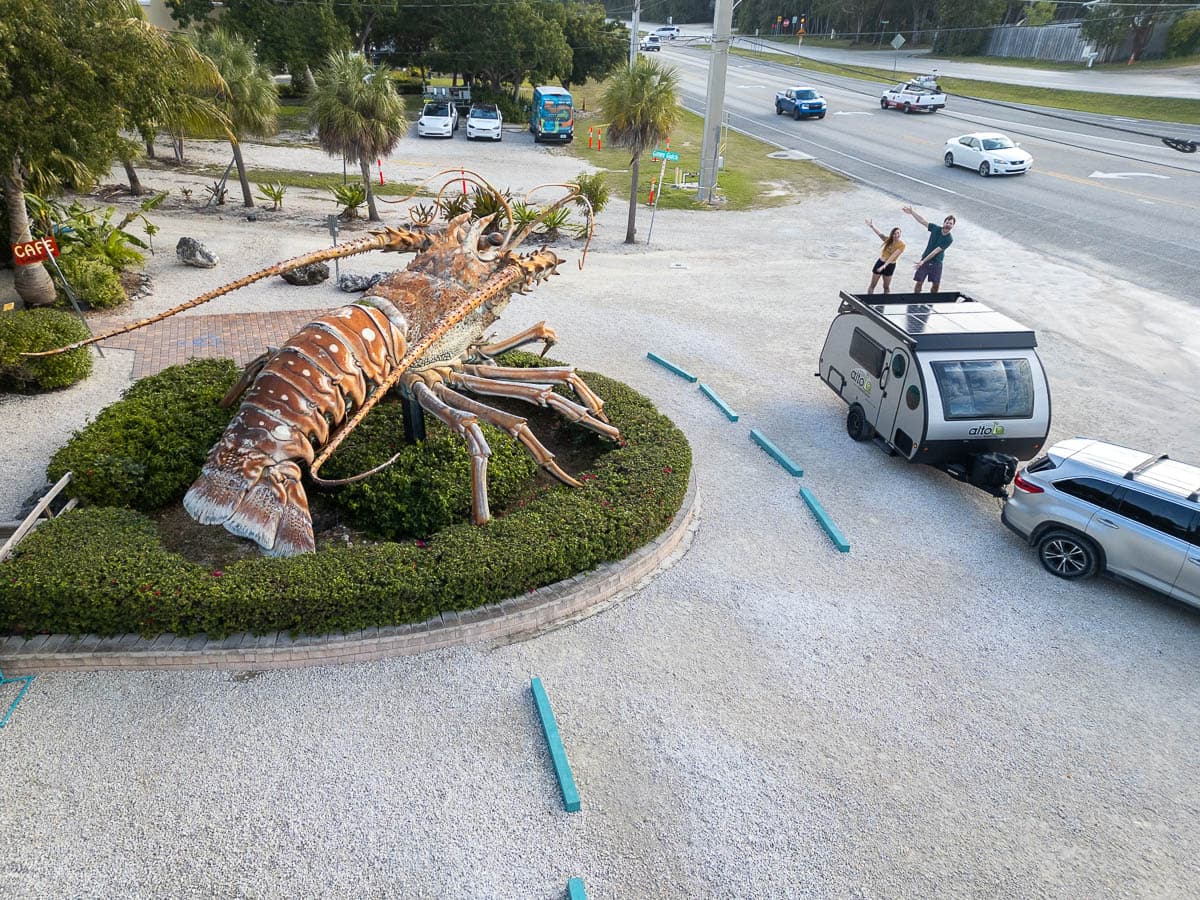
From here, pick up a rental car and make the road trip through the Florida Keys. There are SO many fun things to do in the Florida Keys, from beaches and tiki bars to quirky roadside attractions and spots to see unique wildlife, It’s seriously one of the coolest drives in the United States, so if you can swing it, I’d highly recommend taking a few days to explore the other keys along the way.
Getting from Key West to Dry Tortugas National Park
Once you’re in Key West, you still got about 70 miles of open ocean to cover before you reach Dry Tortugas. Here’s how you can get there.
Yankee Freedom Ferry
The most affordable and popular way of visiting Dry Tortugas is aboard the Yankee Freedom ferry, which has one daily departure every day of the year (weather permitting) from the Key West Historic Seaport.

The ride takes about two and a half hours one way, with passengers getting about four hours on Garden Key (from 10:30 AM to 2:30 PM). While we enjoyed views of the beautiful ocean on our ride to and from the park, it was generally pretty unremarkable, both in terms of the waves and any wildlife (sadly, we didn’t spot any turtles or dolphins along the way).
Tickets for adults cost $250 roundtrip, with a handful of discounts for certain groups, like children or active military. If you have an annual National Park pass, like the America the Beautiful Pass, you can get a $15 discount on up to four tickets. Just be sure to bring the pass with you, as they do check when you pick up your ferry tickets!

Your ticket includes breakfast, lunch, an optional tour of the fort (either a 20 minute or an hour and a half option), and snorkeling gear rental.
We were REALLY impressed by our experience with the ferry. The Yankee Freedom staff were friendly and helpful, and the whole experience was incredibly well-organized, allowing you to maximize your time enjoying the park itself.
Insider tip: There typically isn’t enough space inside the ferry’s air-conditioned interior areas for all passengers to sit, with some people needing to sit on the upper deck at the back of the ferry. Even if you luck out with a day with absolutely perfect weather, the sun can feel pretty intense if you’re forced to sit back there for the full two and a half hour ride.

You’re allowed to board the boat in groups, depending on when you arrive to pick up your ticket, so, if you want to snag a seat inside, I’d highly recommend getting to the ferry terminal on the earlier side.
Seaplane Adventures
If you’ve got a bigger budget, you can consider flying from Key West to Dry Tortugas on a seaplane, using the park’s approved vendor, Key West Seaplane Adventures.
The flight takes about 40 minutes each way. You can either book a half-day trip for $494 per adult, which gives you about two and a half hours on the island, or a full-day trip for $868 per adult, which gives you six and a half hours on the island.

It’s obviously quite a bit more expensive than the ferry, but the views from the plane are ABSOLUTELY stellar. I had a friend who visited the park using the sea plane and she was raving about how beautiful the water color looks from above and how she could spot turtles and sharks in the water below. It seriously sounds like such a bucket list experience and well worth it, if you have room in your budget!
Private boats or seaplanes
While the Yankee Freedom and Seaplane Adventures are the most common ways to visit Dry Tortugas National Park, you can also visit if you’re lucky enough to have a private boat or seaplane at your disposal (in which case, can we be friends?).

There’s also a handful of operators in Key West that you can charter a private boat from that will take you to Dry Tortugas, like this option.
Things to do in Dry Tortugas National Park
Most visitors at Dry Tortugas will only have a few hours there, which could easily just be spent soaking up the sun at the North or South Beach. But if you’re someone who wants to do all the things, here are the best things to do in Dry Tortugas National Park.
1. Explore Fort Jefferson
Fort Jefferson takes up about 10 acres of Garden Key and is one of the most unique forts in the United States, given its massive size (it contains over 16 MILLION bricks!), unusual shape, and remoteness.

There’s a couple of different ways to explore Fort Jefferson.
Every day, at 11 AM, there’s a 20 minute tour that departs from the Fort Jefferson sign in front of the building and, if you’re really into that tour, a longer option that continues on for an additional hour and 10 minutes.
Alternatively, Yankee Freedom has a cool app that offers an audio tour that you can download for offline use, with 21 stops so you can do a self-guided tour around the fort.

And, of course, you can just explore it at your leisure. There’s an impressive amount of informational signage throughout its halls and it’s fun to wander around by yourself, stumbling upon gun powder magazines or the cells that once held Dr. Samuel Mudd, the lead co-conspirator in Lincoln’s murder.
2. Snorkeling
Given its coral reef and turquoise waters, snorkeling is obviously pretty killer in Dry Tortugas. In fact, the park is home to five species of sea turtles, 30 species of coral, and 400 species of fish, ranging from grouper and barracuda to nurse sharks.

The snorkeling is best in the summer months, when the water is warm and tends to have better clarity. We visited in November and, while we saw plenty of fish, the water definitely wasn’t the most clear, especially in the afternoons.
Both the Yankee Freedom Ferry and Seaplane Adventures offer snorkeling gear or you can bring your own. We’ve both had this snorkeling set for years and years and LOVE it.
3. Birding
Dry Tortugas National Park is considered one of the best birding sites in the United States, thanks to its location in the Florida Keys, making it an excellent layover stop for birds that are migrating between North and South America.
There are actually 300 species of birds that have been spotted in Dry Tortugas, including some that are not otherwise found in the continental United States. For example, this is the only place in the continental U.S. where the frigatebird, known for its enormous wingspan and impressive gular pouch, nests and mates. There are other rare species found here as well, including the masked booby and black noddy.

Spring is supposed to be the best time to spot birds, but we saw TONS of the pterodactyl-looking frigate birds, plus lots of terns and other seabirds, when we visited in November. We’re definitely not birding experts, so even if you’re just a casual observer that’s generally interested in wildlife, you should be able to spot plenty of feathered friends in the park.
4. Hike along Bush Key
From around October through January, you may be able to walk onto Bush Key, a neighboring island to Garden Key. Outside of this timeframe, the island is closed to protect the sooty terns and brown noddies that nest here.

When it’s open, Bush Key has a one mile (roundtrip) stretch of white sandy beach that you can hike along, which is a great place to see lots of beautiful birds and spot conch shells (remember that it’s illegal to take these home with you!).
When we visited in November, Bush Key was connected to Garden Key by a sandbar, but, apparently, depending on how the sand and tides shift, it’s sometimes inaccessible by land and can only be reached by paddlecraft. So even if you visit from October through January, you have to get a bit lucky to be able to visit this part of Dry Tortugas.
5. Camping
The national park has a handful of primitive first-come, first-serve campsites on Garden Key, with each camper allowed to stay for up to three nights each.
Justin and I spent one night camping in Dry Tortugas National Park and had an ABSOLUTE blast. Once the daytrippers leave around 3 PM or so, you basically get the whole island to yourself, from snorkeling through its coral reefs to its white sandy beaches and Fort Jefferson’s massive halls. Plus, you can experience things on the island that daytrippers simply can’t, like watching sunset and sunrise or stargazing.

It’s also a good option if you’re newer to primitive camping. While you have to bring all of your own gear with you, like your tent, sleeping bag, and sleeping pad, the campsite is just a short walk from the ferry dock (and they even give you wheelbarrows to transport your gear), so it’s easy to bring whatever you need. Plus, the ferry comes every day, so if you want to buy extra ice or even a margarita, there’s a floating store that happens to stop by the island every single day for several hours.
The only way to camp is either by taking the Yankee Freedom ferry or a private boat or seaplane from Key West to Dry Tortugas. Seaplane Adventures is not allowed, per its contract with the National Park Service, to drop off and pick up campers here. Accordingly, unless you have a really cool friend with a boat or seaplane, the ferry is going to be your only option to get to the island if you’re interested in camping.

Every day, the Yankee Freedom has slots for up to only 10 campers, so they typically sell out several months in advance. Tickets usually go on sale six months ahead of time, so I’d recommend logging on the day they’re released to ensure you snag a ticket. Ferry tickets for campers cost an additional $5 USD per person roundtrip, plus each campsite is $15 per night (cash only!).
6. Kayaking to Loggerhead Key
If you’re camping on the island with Yankee Freedom or you’re traveling to Dry Tortugas by private plane or boat, you’re allowed to bring a kayak with you to paddle around Garden Key. As far as I can tell, daytrippers with the Yankee Freedom ferry are not allowed to bring kayaks with them.
The most popular trip in the park is to paddle the six miles roundtrip from Garden Key to the nearby Loggerhead Key, which is home to the Dry Tortugas Lighthouse and is a great place to spot nesting sea turtles. Beyond just exploring this remote island, you’ll also get to enjoy unique views of Garden Key and the surrounding spectacular water along the way.

If you don’t have your own kayak, there are a handful of outfitters in Key West that will rent them to you, like Tracy’s Traveling Kayaks and Key West Jet Ski. Rentals aren’t exactly cheap—starting around $180 USD for a one night rental—plus an additional $20 to transport the kayak on the ferry.
7. Stargazing
Given its location 70 miles off Key West, light pollution in Dry Tortugas is basically non-existent. Due to the eastern coast of the U.S.’s intense light pollution, there are actually only a handful of spots where you can see the Milky Way with the naked eye—with Dry Tortugas being one of them.

So, if you’re camping on the island, bring a tripod and your favorite camera (we love this one) to take some astroshots or just a blanket to lay down on while you stare up at the stars—it’s seriously incredible!
When to visit Dry Tortugas National Park
Each season comes with its pros and cons, but generally, February through April is considered to be the best time to visit Dry Tortugas, with cooler weather, less humidity, excellent bird watching opportunities, and calmer waters for better snorkeling.

If you want to enjoy the best snorkeling, summer is your best bet, with the Gulf water being warm and crystal clear. However, this also coincides with hurricane season, with high chances of thunderstorms in the afternoon. Plus, you better be prepared to be HOT, with high humidity and average highs exceeding over 90 degrees Fahrenheit. When we visited in November, it felt like the UV index was going to straight-up melt us—I can’t imagine how hot it would feel in the middle of summer!
Wintertime (November through February) has its benefits, too, with cooler weather and the possibility of accessing Bush Key—just be prepared for a rockier boat ride and murkier snorkeling conditions.
What to bring to Dry Tortugas National Park
We plan on writing a whole separate article about what you’ll need for camping in Dry Tortugas, but, if you’re just planning on visiting as a day trip, here’s what you should bring:
- Towel
- Collapsible chair
- Small cooler. The ferry provides breakfast, lunch, and water, plus has drinks for sale, but you’re welcome to bring your own snacks or drinks if you want.
- Reef-friendly sunscreen
- Swimsuit
- Hat and sunglasses
- Things to keep you occupied on the boat if you get bored looking out the window (e.g., downloaded podcasts or movies on Netflix or card games—we love this one!). Remember that there’s no cell service or WiFi on the island or the ferry.
- Warm layer to wear on the ferry. They keep it frosty in there!
- Binoculars, if you’re into birding or want a better chance of spotting wildlife along the way

I hope you have a better idea of what to expect when visiting Dry Tortugas National Park—I seriously think it’s one of the best U.S. National Parks east of the Mississippi! Do you have any questions about visiting this unique place? Let us know in the comments below!
